How to Learn to Dive in Koh Samui: A Beginner’s Guide to Scuba Diving Courses in Thailand
Estimated Reading Time: 10 minutes
Key Takeaways
- Koh Samui is an ideal destination for beginner scuba divers, offering warm tropical waters and excellent visibility.
- Beginner-friendly dive sites include Sail Rock, Angthong National Marine Park, and Chaweng Beach.
- Dive centers offer a range of courses from Discover Scuba Diving experiences to PADI Open Water Diver certifications.
- Choosing a PADI-certified dive center ensures high safety standards and quality instruction.
- Learning to dive in Koh Samui allows you to explore Thailand’s rich marine life and continue your scuba diving education worldwide.
Table of Contents
- Why Choose Koh Samui to Learn Scuba Diving?
- Beginner Diving Koh Samui: What to Expect
- Starting Your Scuba Diving Journey in Thailand
- Overview of Scuba Diving Courses in Koh Samui
- How to Choose the Right Scuba Diving Course in Koh Samui
- Booking and Preparing for Your Scuba Diving Course in Koh Samui
- Benefits of Learning to Dive in Koh Samui
Why Choose Koh Samui to Learn Scuba Diving?
Unique Features of Koh Samui Diving
Koh Samui stands out as one of the best destinations for beginner diving in Thailand. Here’s why:
- Warm, Tropical Waters: The sea temperature consistently ranges from 28-30°C (82-86°F) year-round, creating comfortable learning conditions.
- Exceptional Visibility: Divers often enjoy underwater visibility that exceeds 20 meters (65 feet), making it easier for beginners to observe marine life and feel secure.
- Mild Currents: Most dive sites feature gentle currents, ideal for gaining confidence as a new diver.
Key Beginner-Friendly Dive Sites
-
- Sail Rock
A stunning, coral-covered pinnacle rising from the sea bed.
Frequent sightings of barracudas, schools of batfish, and the occasional whale shark.
Depths vary, making it great for both first-timers and those progressing their skills.
- Sail Rock
-
- Angthong National Marine Park
Home to over 40 idyllic islands.
Shallow reefs and protected waters create a safe space for novice divers.
Watch for stunning coral gardens and a wide array of colorful tropical fish.
- Angthong National Marine Park
- Chaweng Beach & Big Buddha Beach
Quiet, shallow bays with calm waters.
Conveniently located near main tourist hubs for easy access.
Perfect for initial skill practice and gaining underwater confidence.
For more details, see our guide on learning diving in Koh Samui.
Koh Samui’s Reputation as a Scuba Diving Hotspot
- Well-Established Dive Scene: Numerous reputable dive shops operate around the island, offering everything from gear rental to certification courses.
- Multilingual, Experienced Instructors: Many centers employ instructors fluent in multiple languages, ensuring clear communication and support for international visitors.
- Tourist-Friendly Amenities: After diving, enjoy a wide range of accommodation, restaurants, and local entertainment—all easily accessible from the main dive centers.
Accessibility and Convenience
- Direct International Flights: Koh Samui’s airport connects directly to several Asian cities, making travel easy for global visitors.
- Simple On-Island Transit: Taxis, songthaews (shared taxis), and private vans are readily available, and many dive centers offer hotel transfers.
- Streamlined Booking: Dive centers provide seamless booking options and can arrange all logistics for your day.
In summary, Koh Samui’s blend of top-tier dive sites, easy accessibility, and beginner-centric amenities make it a smart, safe choice for your first dive.
Source: symondssports.com
Beginner Diving Koh Samui: What to Expect
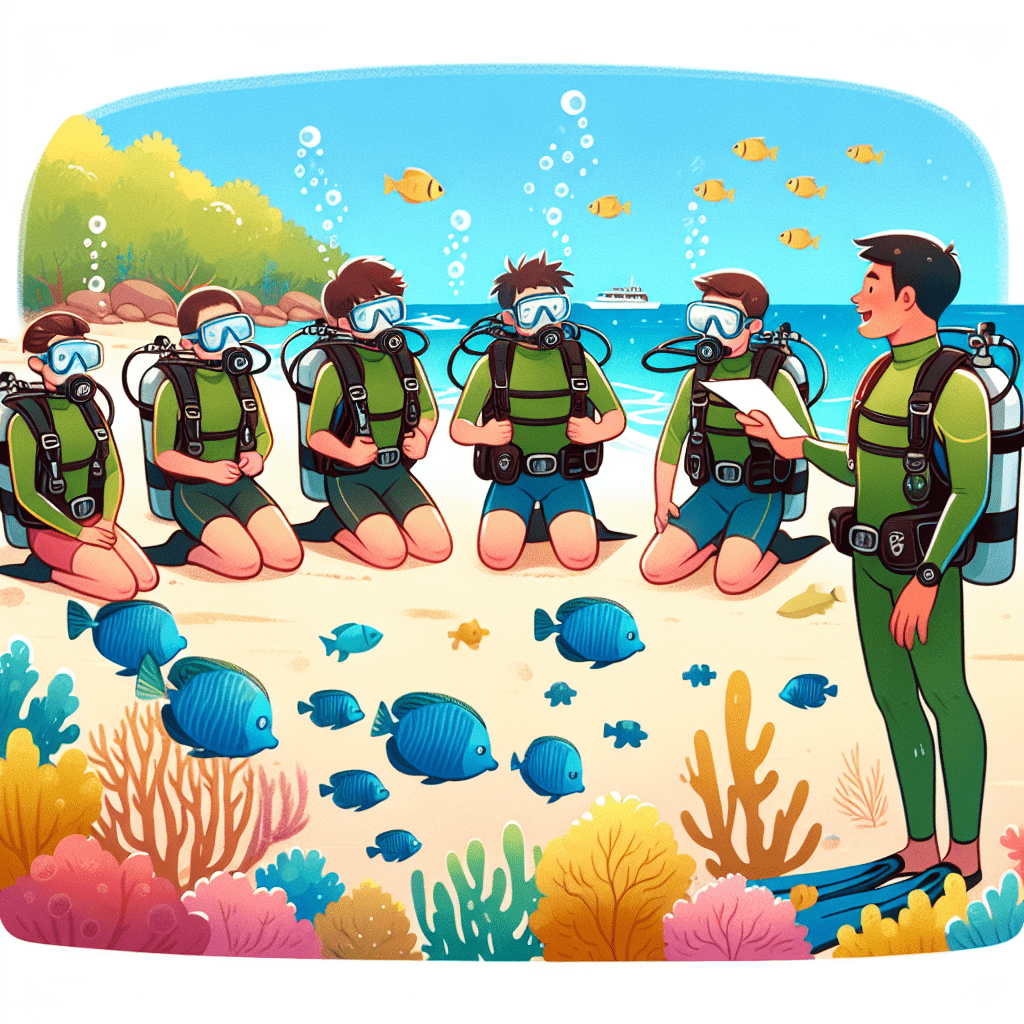
Training Process for New Divers
When you sign up for a scuba diving course in Koh Samui, here’s what you can expect from start to finish:
-
- Theory Sessions:
Learn the foundations of scuba diving, including breathing techniques, safety protocols, underwater communication, and equipment management. Theory can often be done in a classroom or completed online before your practical sessions.
- Theory Sessions:
-
- Confined Water Dives:
Practice essential skills in controlled, shallow environments—either a swimming pool or calm beach waters. Here, you’ll learn:- Mask clearing (removing water from your mask underwater)
- Regulator recovery (retrieving your breathing apparatus)
- Buoyancy control (maintaining your depth and position)
- Confined Water Dives:
- Open Water Dives:
Take your first real dives in the ocean under direct supervision of your instructor. These dives allow you to apply your new skills in live conditions at Koh Samui’s gentle, beginner-friendly sites.
Safety and Diving Conditions
Safety is always a top priority for beginner diving in Koh Samui, with the following practices in place:
- Certified Professional Instructors: All instruction is delivered by qualified PADI or SSI instructors. Learn more
- Personalized Attention: Group sizes are kept small to maximize individual guidance.
- Calm Seas and Gentle Currents: Natural conditions are ideal for nervous or first-time divers.
- Rich, Accessible Marine Life: See fascinating fish, soft and hard corals, and perhaps even playful turtles—without having to venture into deep or challenging waters.
Source: silentdivers.com
Fun Dives vs. Certification Courses
-
- Fun Dives (Discover Scuba Diving):
- Short, safe experiences focused on having fun and seeing marine life.
- Requires minimal prior training—just a safety briefing and practice of basic skills.
- Maximum depth limited (typically 12 meters/40 feet).
- Perfect for those wanting to try diving without the commitment of a full course.
- Fun Dives (Discover Scuba Diving):
- Certification Courses:
- Structured training that enables future independent diving.
- Courses like PADI Open Water Diver grant international certification for dives up to 18 meters (60 feet).
- More comprehensive, including multiple theory, pool, and open water sessions.
- Ideal for those wishing to continue diving as a hobby or while traveling.
For more, visit: silentdivers.com
Starting Your Scuba Diving Journey in Thailand
Thailand’s Welcoming Diving Culture
Thailand is world-renowned for its warm hospitality—a trait carried into its scuba diving community. Whether you’re training in Koh Samui, Koh Tao, Phuket, or the Similan Islands, you’ll find:
- Friendly Instructors & Dive Buddies: Divers here are known for being inclusive, helpful, and enthusiastic about sharing their passion.
- Well-Developed Infrastructure: From modern boats to purpose-built dive pools and dedicated training rooms, facilities are designed for comfort and safety.
Why Thailand Is an Ideal Place for Beginners
- International Standards: Most schools follow globally recognized certification agencies (PADI, SSI), ensuring rigorous safety and learning protocols.
- High Safety Standards: Equipment is well-maintained and regularly inspected; emergency procedures are drilled and rehearsed.
- Diverse Marine Ecosystems: Thailand’s waters are rich with coral gardens, tropical fish, and occasional large pelagic species—offering a broad introduction to underwater ecology.
Related Course Options: PADI Diving Koh Samui
- PADI (Professional Association of Diving Instructors): The world’s leading scuba certification agency, offering courses for all levels and recognized globally.
- SSI (Scuba Schools International): Another respected provider with similar standards and global reach.
- Other Local Options: While PADI is the most common on Koh Samui, SSI and other agencies like NAUI or RAID may also be available through select centers.
Whether you’re taking your first breaths underwater or planning to advance your skills, starting your scuba diving education in Thailand and, specifically, learning to dive in Koh Samui, sets you up for a lifetime of exploration.
Overview of Scuba Diving Courses in Koh Samui
Popular Beginner Scuba Courses
-
- Discover Scuba Diving (DSD):
- Ideal for first-timers curious about underwater exploration.
- Requires no prior experience or swimming ability.
- Lasts 1 day, including a safety briefing, basic skill practice, and one or two ocean dives.
- No certification, but a great trial run.
- Discover Scuba Diving (DSD):
- PADI Open Water Diver Course:
- The most popular complete certification for new divers.
- Teaches everything from equipment handling to deep water skills.
- Qualifies you to dive independently with a buddy to 18 meters (60 feet).
- Takes 3-4 days, including theory, pool work, and four open water dives.
Source: silentdivers.com
What’s Included in a Koh Samui Scuba Diving Course
- All Diving Equipment: Mask, snorkel, fins, wetsuit, BCD, regulator, tank, and weights.
- Instructional Materials: Manuals and online e-learning resources as needed.
- Boat Transfers: Most courses include transfer to and from popular dive sites.
- Guidance: Certified dive instructors or guides throughout all stages. Learn more
- Meals and Refreshments: Many centers include drinks/snacks or even full meals on full-day trips.
Course Duration & Cost Range
- Discover Scuba Diving: 1 day, expect costs between 3,000 to 5,000 THB ($90–$150 USD) depending on what’s included.
- PADI Open Water Course: Usually 3–4 days, ranging from 12,000 to 16,000 THB ($350–$500 USD).
Prices reflect equipment, instruction, materials, transfers, and sometimes food. Always confirm exactly what’s included with your provider.
Source: symondssports.com
Recommended Dive Centers: PADI 5-Star IDC Centers
-
- The Dive Academy
PADI 5-Star Instructor Development Center. Visit website
Known for outstanding instruction, new equipment, and customer service.
- The Dive Academy
- Discovery Divers
Highly rated, international team of instructors.
Focus on safety, small groups, and memorable underwater experiences. Learn more
Source: theveryhungrymermaid.com
How to Choose the Right Scuba Diving Course in Koh Samui
Deciding on a Dive Center
When choosing where to take your scuba diving course in Koh Samui, consider:
-
- Accreditation and Credibility:
- Select a dive center with PADI (or SSI) accreditation for guaranteed quality and safety. Check accreditation
- Check for experienced, certified instructors and high student satisfaction.
- Read reviews on Google or TripAdvisor for firsthand feedback.
- Accreditation and Credibility:
-
- Equipment and Safety Protocols:
- Ensure all equipment is maintained, inspected, and suitable for your size and skill level.
- Ask centers about their emergency procedures and safety standards.
- Equipment and Safety Protocols:
- Student Support:
- Look for centers offering small student-to-instructor ratios.
- Multilingual staff can be a plus for non-English speakers.
Source: theveryhungrymermaid.com
Personal Goals and Course Types
-
- Fun Dive or Full Certification?
- Opt for a fun dive (Discover Scuba) if you’re unsure about your commitment or just want to try scuba for a day.
- Choose a full certification (like PADI Open Water) if you plan on making diving a regular activity or want to dive independently around the world.
- Fun Dive or Full Certification?
- Long-Term Plans:
- Consider “Advanced Open Water” or Continuing Education if you catch the diving bug!
Importance of Recognized Accreditation
Attending a PADI diving course in Koh Samui guarantees not just quality teaching, but a universally recognized qualification that opens doors to dive shops and beautiful sites around the world.
Booking and Preparing for Your Scuba Diving Course in Koh Samui
Booking Your Course
- In-Person: Walk into any major dive center (especially in Chaweng, Bophut, Lamai) to inquire and register.
- Online: Visit the websites of dive centers such as The Dive Academy or Discovery Divers to secure your spot. Book now
- Peak Seasons: Book ahead during December–April for better course availability.
Source: theveryhungrymermaid.com
What’s Provided, What to Bring
Included by Most Dive Centers:
- All essential scuba gear (mask, snorkel, fins, wetsuit, BCD, regulator).
- Study manuals or access codes for e-learning.
- Transfers to dive sites by boat or vehicle.
What You Should Pack:
- Swimwear and dry clothes.
- Towel.
- Reef-safe sunscreen (to protect the marine environment).
- Water bottle and snacks (some centers provide these).
Health and Physical Requirements
- Basic Physical Fitness: Diving requires some physical effort and the ability to comfortably swim short distances.
- Good General Health: Some conditions (asthma, heart conditions, certain medications) may need a doctor’s approval.
- Ability to Swim: You don’t have to be an Olympic swimmer, but should feel comfortable in the water.
- Medical Questionnaire: Dive centers provide screening forms to ensure safety.
Preparation Tips for First-Time Divers
- Rest well before each dive day—avoid late nights.
- Stay hydrated to prevent cramping or dehydration.
- Avoid drinking alcohol before diving sessions.
- Bring a positive, curious mindset and don’t be afraid to ask questions.
Benefits of Learning to Dive in Koh Samui
Continue Your Scuba Education
- Next Steps: Once you complete your initial training, you can move onto advanced and specialty PADI courses—like Advanced Open Water, Rescue Diver, or special interests like underwater photography.
- Diving as a Lifetime Skill: Your certification from Koh Samui lets you dive at sites around the globe, joining a worldwide community of adventurers.
Explore More of Thailand’s Marine Life
- Diving Destination Gateway: With your new qualification, you’re ready for Thailand’s other iconic dive spots like the Similan Islands, Koh Tao, and Phuket. Explore more
- Experience a Variety of Marine Life:
- Tropical reef fish, clownfish, groupers
- Colorful hard and soft corals
- Occasional sightings of whale sharks, turtles, and schools of barracuda
Cultural and Travel Perks
- Make the Most of Koh Samui: Blend your dive trip with the island’s relaxing beaches, ancient temples, and lively markets.
- Enjoy Local Thai Cuisine: Dive days are often paired with communal meals—try authentic curries, fresh seafood, and island fruits.
- Memorable People: Meet fellow travelers, form friendships, and discover the global dive community’s welcoming spirit.
Source: lancasterscuba.com
Conclusion and Call to Action
Koh Samui is the ideal place to learn to dive, especially for those new to the sport. The warm, calm, and crystal-clear seas—along with world-class dive sites like Sail Rock and Angthong Marine Park—set the perfect stage for your first underwater adventure. Beginner diving in Koh Samui is supported by top-tier PADI diving courses, internationally certified instructors, and user-friendly facilities that make learning enjoyable and safe.
If you’ve ever dreamed of exploring vibrant coral reefs, swimming alongside exotic fish, and seeing the underwater world with your own eyes, now is the perfect moment to take action. Book a scuba diving course in Koh Samui—you’ll gain skills for life and memories to treasure.
Start your underwater journey with reputable PADI-certified dive centers:
For a more detailed look at diving options and travel tips, check these recommended guides:
Take the plunge into the world of scuba diving in Koh Samui and create stories that will last a lifetime.
Keywords recap in conclusion: learn to dive koh samui, padi diving koh samui
Sources referenced: